


International bachelor degree programs

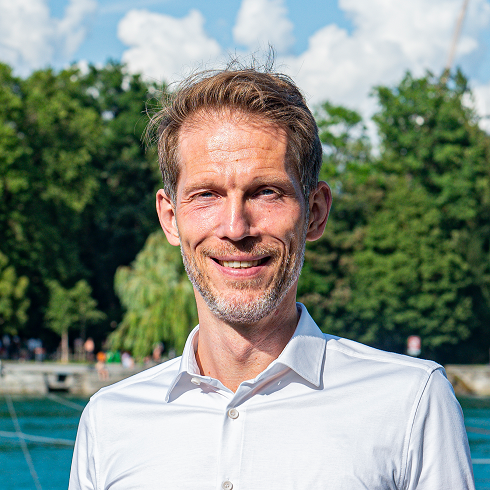
Prof. Heinz Rebholz provides a brief overview of our university and our english-taught degree programs in the video.
If you have any questions about our university or our degree programs, please feel free to get in touch with us.

Contact: Prof. Dr. Heinz Rebholz
email: heinz.rebholz@htwg-konstanz.de
WhatsApp: +49 - 174 21 72 144

For further informations, please have a look in our FAQ-List.

We also want to offer you a helpful notebook, which helps you to check out informations about the english-taught bachelor's programs (a Google Account is required).


Electrical Engineering and Information Technology (EIB)

Profile:

Degree: Bachelor of Engineering (B. Eng.)

Main focus: Electrical and Electronic Systems. Information Technologies and AI, Sustainable Energy Systems 

Start of Studies: Summer semester (SS)

Language of Instruction: English

Length of Studies: 7 semesters

Program Type: Full-time

Study graphic:

  • This is what you can expect during your studies

    Without modern electrical engineering and information technology, our daily lives would be hard to imagine, and probably quite boring. Just imagine if all devices with a plug or a battery suddenly disappeared: no smartphones, no laptops, no refrigerators, no light switches, no trains, and no medical equipment. Modern life as we know it would be practically impossible.

    Rapid progress began about 150 years ago, when the first high-voltage transmission lines were built and electrical energy could be transported over long distances for the first time. This marked the beginning of the triumph of electrical engineering. Electrical energy could now be generated reliably, transmitted efficiently, and used almost everywhere, an essential foundation for industrialization, prosperity, and technological progress.

    Today, alongside energy supply, information technology plays a central role. It ensures that data can be transmitted quickly and reliably, from the internet and mobile communication networks to satellite links. Ultimately, all of this relies on electrical signals that carry information. They deliver messages to our smartphones, control machines in industry, and enable worldwide communication within fractions of a second.

    But this is only a small glimpse of what engineers in electrical and information engineering work on. Exciting fields of activity include, for example:

    • Semiconductor technology, the foundation of computer chips and microcontrollers
    • Electrical machines and drive systems, for electric cars, trains, and industrial machinery
    • Modern power transmission and energy networks, from high-voltage direct current transmission to intelligent power grids
    • Electromobility and energy storage, enabling sustainable energy systems
    • Communication and telecommunications engineering, for mobile networks, Wi-Fi, and satellite communication
    • High-frequency engineering and sensor technology, for applications such as radar, medical devices, or autonomous systems

    and much more….

    Electrical and information engineering therefore shape many of the most important future technologies of our society.

    Be part of this future.
    By studying Electrical and Information Engineering at HTWG Konstanz, you can help drive progress in areas such as renewable energy systems, secure data transmission, intelligent technical systems with AI applications, and reliable electronics that make our everyday lives easier, more efficient, and more sustainable.
Smart Mobility Systems (SMS)

Profile:

Degree: Bachelor of Engineering (B. Eng.)

Main focus: Electrical engineering and computer science, smart mobility applications, communication or automation technology, autonomous and connected transportation systems, AI-based methods

Start of Studies: Summer semester (SS)

Language of Instruction: English

Length of Studies: 7 semesters

Program Type: Full-time


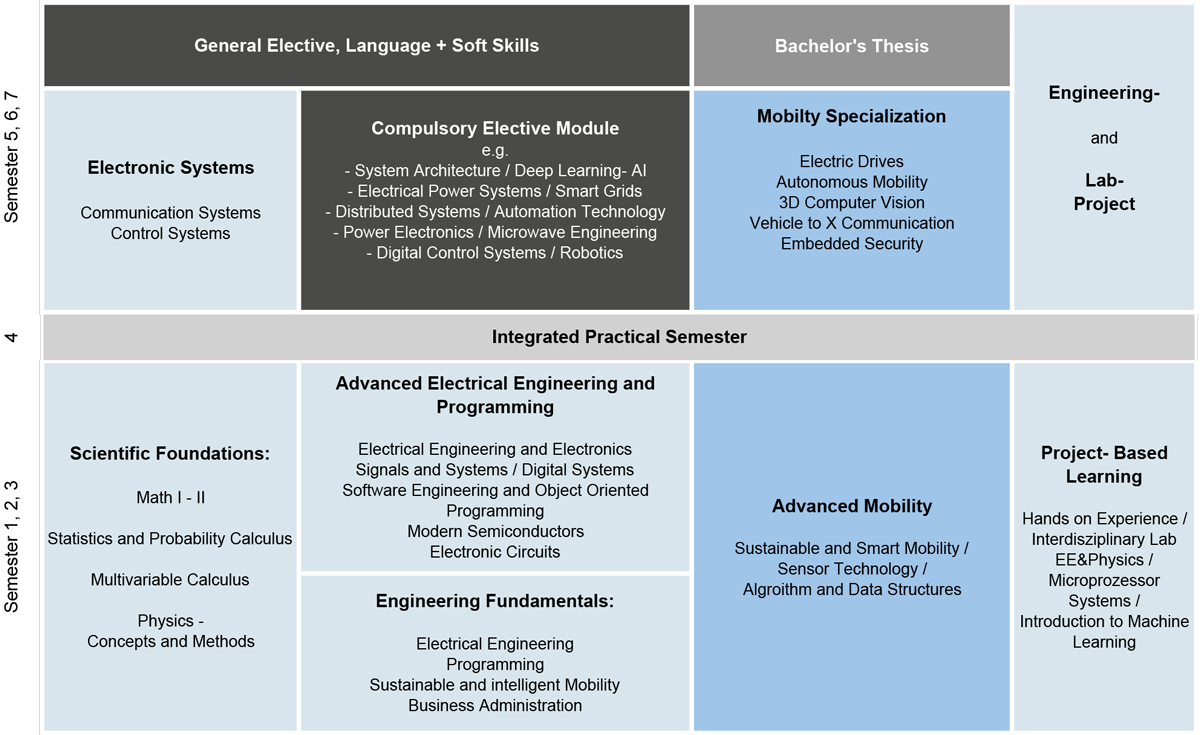
Study graphic:

  • This is what you can expect during your studies

    When people think about intelligent mobility systems, many different ideas may come to mind. Most of us probably first think of self-driving cars, such as those developed by companies like Waymo or Google. However, intelligent mobility involves much more than autonomous passenger cars.

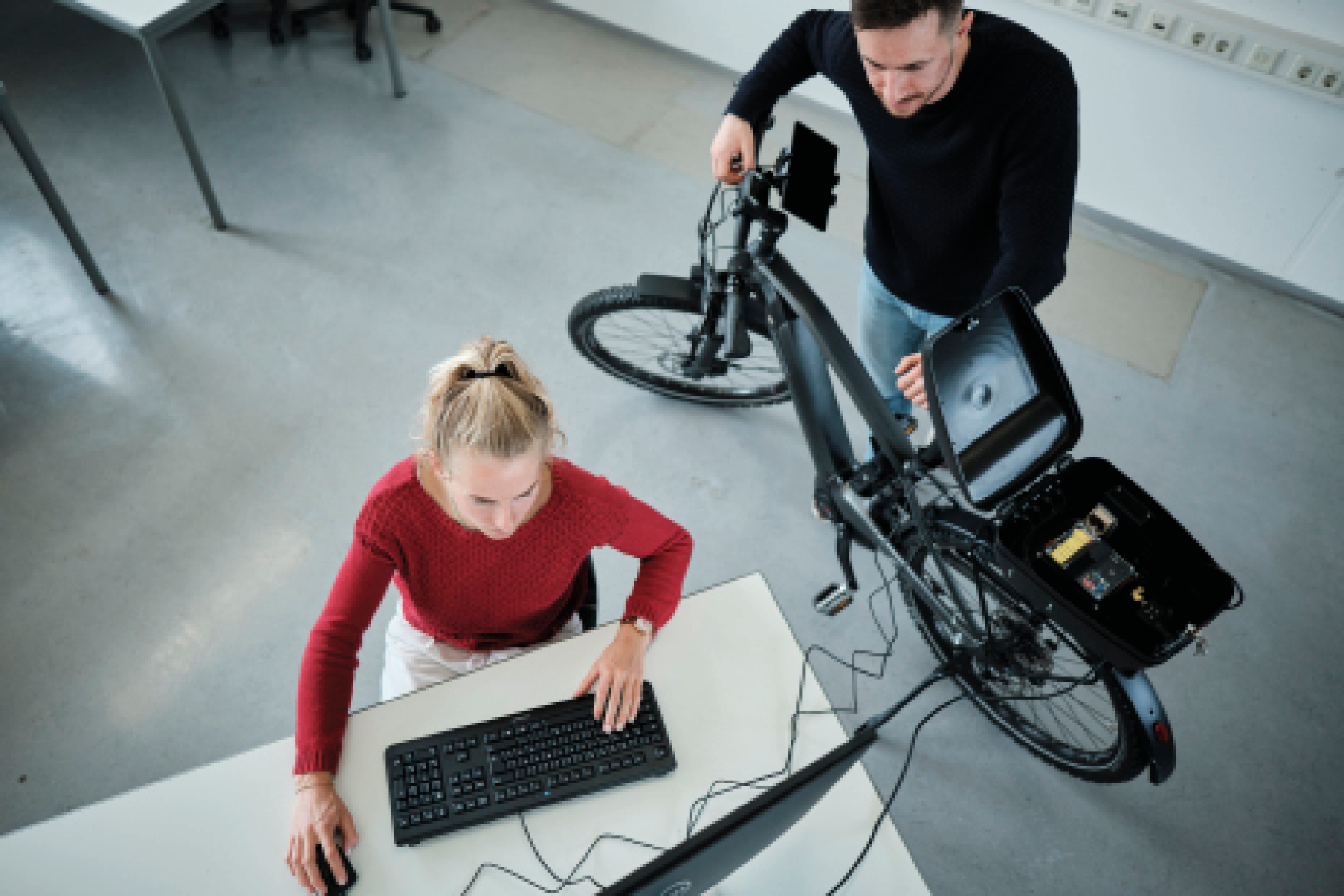
    The Smart Mobility Systems degree program focuses on the entire world of modern mobility. This includes, for example, intelligent bicycles equipped with sensors that detect riding conditions and provide safety features such as anti-lock braking systems. It also includes highly automated automobiles that can perceive their environment, make decisions, and navigate independently. In addition, autonomous ships and ferries, capable of docking precisely and safely at terminals, are part of this technological development. Beyond that, connected transportation systems, intelligent infrastructure, and new mobility concepts are becoming increasingly important.

    Engineers who develop such innovative technologies need broad and solid technical knowledge from several fields, for example:

    • Electrical and Information Engineering, the foundation of modern technical systems
    • Control Engineering and Artificial Intelligence, enabling systems to act autonomously
    • Software Engineering and Computer Science, for developing complex software and algorithms
    • Sensors and environmental perception, allowing vehicles to reliably detect and interpret their surroundings
    • Electric drives and modern mobility systems, designed to be efficient, sustainable, and high-performance

    and much more.

    If you would like to actively shape the mobility of the future, dive into the world of intelligent transportation systems and start your studies in Smart Mobility Systems at HTWG Konstanz. Here you will learn how modern vehicles, sensors, software, and artificial intelligence work together to make transportation safer, smarter, and more sustainable.


International Engineering and Management (IWI)

Profile:

Degree: Bachelor of Engineering (B. Eng.)

Main focus: Interdisciplinary competence profile based on the fundamentals of engineering and economics:Electrical and Electronic Systems, Information Technologies and AI, Sustainable Energy Systems and Management, Sustainable Global Value Networks

Start of Studies: Summer semester (SS)

Language of Instruction: English

Length of Studies: 7 semesters

Program Type: Full-time

Study graphic:

  • This is what you can expect during your studies

    When people think about intelligent mobility systems, many different ideas may come to mind. Most of us probably first think of self-driving cars, such as those developed by companies like Waymo or Google. However, intelligent mobility involves much more than autonomous passenger cars.

    The Smart Mobility Systems degree program focuses on the entire world of modern mobility. This includes, for example, intelligent bicycles equipped with sensors that detect riding conditions and provide safety features such as anti-lock braking systems. It also includes highly automated automobiles that can perceive their environment, make decisions, and navigate independently. In addition, autonomous ships and ferries, capable of docking precisely and safely at terminals, are part of this technological development. Beyond that, connected transportation systems, intelligent infrastructure, and new mobility concepts are becoming increasingly important.

    Engineers who develop such innovative technologies need broad and solid technical knowledge from several fields, for example:

    • Electrical and Information Engineering, the foundation of modern technical systems
    • Control Engineering and Artificial Intelligence, enabling systems to act autonomously
    • Software Engineering and Computer Science, for developing complex software and algorithms
    • Sensors and environmental perception, allowing vehicles to reliably detect and interpret their surroundings
    • Electric drives and modern mobility systems, designed to be efficient, sustainable, and high-performance

    and much more.

    If you would like to actively shape the mobility of the future, dive into the world of intelligent transportation systems and start your studies in Smart Mobility Systems at HTWG Konstanz. Here you will learn how modern vehicles, sensors, software, and artificial intelligence work together to make transportation safer, smarter, and more sustainable.


Engineering and Management in Electrical Engineering and Information Technology (EIW)

Profile:

Degree: Bachelor of Engineering (B. Eng.)

Main focus: Interdisciplinary competence profile based on the fundamentals of engineering and economics: Electrical and Electronic Systems, Information Technologies and AI, Sustainable Energy Systems and Management, Sustainable Global Value Networks

Start of Studies: Summer semester (SS)

Language of Instruction: English

Length of Studies: 7 semesters

Program Type: Full-time

Study graphic:

  • This is what you can expect during your studies

    We all want electronic devices and technical gadgets that are affordable to purchase and, ideally, work reliably for a long time. Whether it is a smartphone, a laptop, a household appliance, or an electric car, we expect the technology to be powerful, offer many functions, and cost as little as possible.

    Electrical engineers primarily focus on developing technical systems that function reliably and offer a wide range of capabilities. However, turning a technical idea into a product that can be used worldwide is still a long journey. Production, component procurement, logistics, distribution, and cost structures are equally important. This is exactly where industrial engineers work, at the intersection between technology and business.

    Their goal is to design and organize technical products so that they can be produced efficiently, distributed economically, and made affordable for many people. This includes understanding global supply chains, optimizing production processes, and organizing companies so that innovation and economic efficiency work together.

    Today, the objective is no longer simply to manufacture products at the lowest possible cost. Engineers also carry a responsibility for sustainability, resource conservation, and environmentally compatible production processes. Modern technical products therefore need to be considered across their entire life cycle, from development and manufacturing to usage, reuse, and recycling.

    For this reason, industrial engineers require not only a solid technical background, but also knowledge in many additional areas, for example:

    • how companies are organized and how technical projects are managed
    • how markets function and the role of competition and innovation
    • how supply chains are analyzed, evaluated, and developed
    • how economic and environmental factors interact
    • how sustainable production systems can be designed
    • how circular economy and recycling concepts can be integrated into modern products

    and much more….

    This creates a very broad and exciting field of work in which technology, business, and sustainability are closely connected.

    If you are interested not only in modern electrical and information engineering, but also want to understand how technical products can be developed in an economically viable and sustainable way across their entire life cycle, then a degree in Industrial Engineering in Electrical and Information Engineering is the right choice.

    Help shape sustainable and reliable systems through your studies in Industrial Engineering in Electrical and Information Engineering.


Sustainable Engineering and Future Technologies (SET)

Degree: Bachelor of Engineering (B. Eng.)
Main Focus: Interdisciplinary competence profile based on electrical engineering, information technology, mechanical engineering (mechatronics), AI, sustainable energy systems, sustainable mobility, environmental technology and robotics combined with the promotion of German language skills and intercultural competence

Program Type: Full-time
Language of Instruction: English and German
Length of Studies: 7 semesters
Start of Studies: Winter semester (WS) and summer semester (SS)
Standard Class Size: 40
Application Deadlines: June 1st (WS), November 1 st (SS)

Study graphic:

  • This is what you can expect during your studies

    When people think about intelligent mobility systems, many different ideas may come to mind. Most of us probably first think of self-driving cars, such as those developed by companies like Waymo or Google. However, intelligent mobility involves much more than autonomous passenger cars.

    The Smart Mobility Systems degree program focuses on the entire world of modern mobility. This includes, for example, intelligent bicycles equipped with sensors that detect riding conditions and provide safety features such as anti-lock braking systems. It also includes highly automated automobiles that can perceive their environment, make decisions, and navigate independently. In addition, autonomous ships and ferries, capable of docking precisely and safely at terminals, are part of this technological development. Beyond that, connected transportation systems, intelligent infrastructure, and new mobility concepts are becoming increasingly important.

    Engineers who develop such innovative technologies need broad and solid technical knowledge from several fields, for example:

    • Electrical and Information Engineering, the foundation of modern technical systems
    • Control Engineering and Artificial Intelligence, enabling systems to act autonomously
    • Software Engineering and Computer Science, for developing complex software and algorithms
    • Sensors and environmental perception, allowing vehicles to reliably detect and interpret their surroundings
    • Electric drives and modern mobility systems, designed to be efficient, sustainable, and high-performance

    and much more.

    If you would like to actively shape the mobility of the future, dive into the world of intelligent transportation systems and start your studies in Smart Mobility Systems at HTWG Konstanz. Here you will learn how modern vehicles, sensors, software, and artificial intelligence work together to make transportation safer, smarter, and more sustainable.

5 Reasons to Study an international bachelor degree program at the University of Applied Sciences Konstanz

1. Excellent Career Opportunities

Engineers are highly-respected and in great demand in Germany. A recent survey of HTWG graduates shows that our students have a solid reputation among employers: The majority of the students we surveyed had landed a permanent position with a salary above the national average (ranging from € 4,250 to more than € 6,500) in only three months after completing their degree! This is more than € 400 above the average entry level salary for college graduates in Germany.

2. The Combination of Tradition and Future-orientation

Since its founding in 1906, the University of Applied Sciences Konstanz has trained thousands of successful, young engineers. Our professors continually adjust their course content to include the latest technical and social developments. The University of Applied Sciences Konstanz places special emphasis on the major issues of sustainability and digitalization. This degree program will provide you with the optimal preparation to help find solutions for the challenges of the future.

3. Practical Orientation and Company Connections

One of our strengths at the HTWG Konstanz is our focus on applied knowledge: Our students gain practical experience in labs, work early on in their studies on real world topics, and apply their new knowledge in projects. They apply the knowledge they’ve gained in companies during their integrated internship semesters. They also often write their thesis in companies.

And by the way: All of our faculty and instructors have spent multiple years working for top-notch companies outside the university system. This practical experience gives them a solid knowledge base and a host of useful company contacts that help our students get a foot in the door.

4. Strong economic region with high quality of life

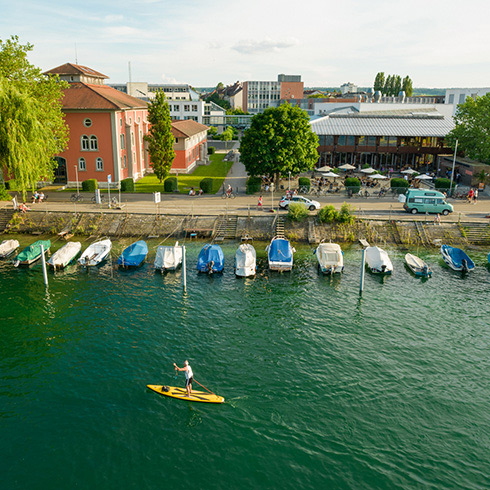
The University of Applied Sciences Konstanz is located in the German state of Baden-Württemberg, only a stone’s throw from Switzerland and right next door to Austria and Liechtenstein. Baden-Württemberg boasts a strong economy, high level of safety standards, and is an attractive place to live. The state is known as “the home of the tinkerers, inventors and doers”. More than 15,000 patents are registered here per year! Some of the world’s most famous companies - including Bosch, Daimler, Porsche and Kärcher - have their headquarters here. And the 1.8% unemployment rate for those with academic degrees is one of the lowest in all of Germany

5. Exceptional Student Advising

International students feel right at home on our compact campus with its friendly, informal atmosphere. The small semester cohorts and class sizes allow for more direct, personal contact to faculty, who can then provide more individualized advising. In addition to their regular classes, all students in the SET program take German classes that help them to feel at home in Germany. Studying alongside both domestic and international students help prepare our students to work internationally.

Application

Application deadlines

The degree program begins in the Summer Semester of 2027. Applications may be submitted for the Summer Semester. The application deadline is January 15th of the respective year.

Study prerequisites and admission

  • University entrance qualification, e.g. general university entrance qualification, subject-specific university entrance qualification, university of applied sciences entrance qualification, a recognized advanced vocational training (e.g. master craftswoman or master craftsman, technician, etc.) or a vocational qualification in conjunction with an examination of aptitude as well as recognized foreign qualifications.
  • Admissions are made via a selection process.

Need further informations?

For further informations, please have a look in our FAQ-List.

We also want to offer you a helpful notebook, which helps you to check out informations about the english-taught bachelor's programs (a Google Account is required).
 

Need more Information about the Program? If you have any questions we’re here to help you!

For German-speaking consulting: Rebecca Baur
Room H 004
+49 7531 206 394
set-international@htwg-konstanz.de

For questions about the study programe: Wasiq Suleman
Room F 018
+49 7531 206-243
set-international@htwg-konstanz.de

Prof. Dr. Boris Böck
Prodekan, Studiendekan Sustainable Engineering and Future Technologies (SET) <br> Fachgebiet: Embedded Systems
Room A 230
+49 7531 206-244
boris.boeck@htwg-konstanz.de

Prof. Dr. Matthias Werner
Vice Dean of the Faculty of Electrical- and Information Technology Academic Dean of Engineering and Management in Electrical- and Information Technology (B.Eng) Academic Dean of International Engineering and Management (B.Eng)
Room F 111
+49 7531 206-747
matthias.werner@htwg-konstanz.de

Prof. Dr. Burkhard Lehner
Business Informatics <br> Studiengangsleiter Elektro- und Informationstechnik (EIB)
Room F 206
+49 7531 206-494
burkhard.lehner@htwg-konstanz.de

Prof. Dr. Florian Lang
Prodekan, Studiendekan Intelligente Mobilitätssysteme (IMS), Automobilinformationstechnik (AIT)<br>Fachgebiete: Sensorik, Fahrzeugsystemtechnik und Angewandte Physik
Room F 405
+49 7531 206-774
florian.lang@htwg-konstanz.de